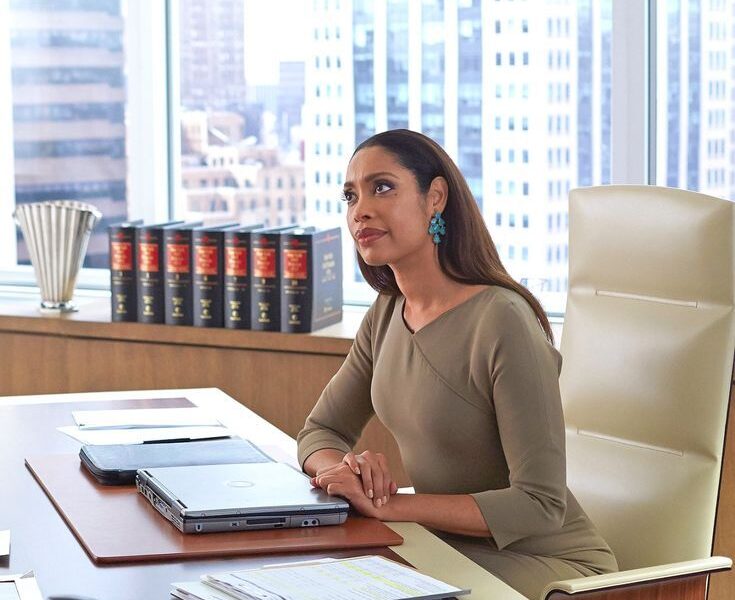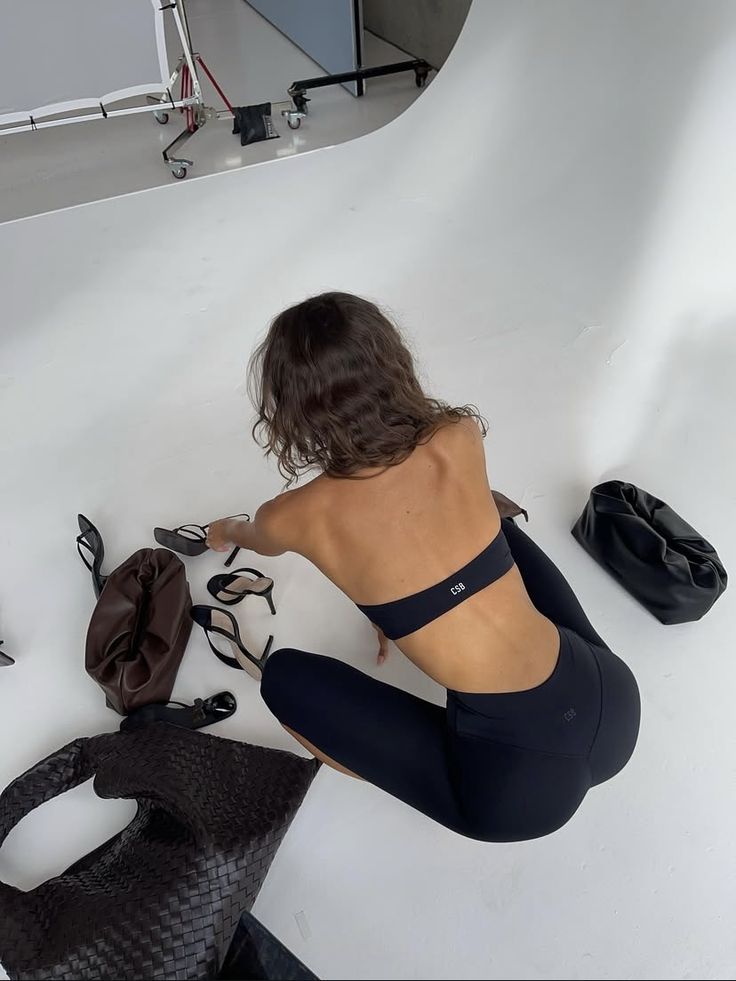
We’ve all seen it on TikTok…women walking into the gym in long dresses layered over tights, describing their outfits as “modest gym wear.” Some disable their comments to avoid backlash. Others confidently explain that dressing modestly is a personal choice one that reflects respect for themselves and, in some cases, for their partners.
But this raises an uncomfortable question, if modesty is framed as respect, does that mean women who wear tight-fitting gym clothing are somehow disrespecting themselves?
Clothing has always been a form of expression. For some women, form-fitting gym wear is practical, it allows for movement, breathability, and confidence during workouts. For others, modest clothing feels empowering and aligned with their values. Both choices can exist without a moral hierarchy, yet online discourse often suggests otherwise.
There’s a subtle elitism creeping into the conversation, the idea that one woman’s modesty implies another woman’s lack of integrity. The debate becomes less about personal preference and more about moral positioning.
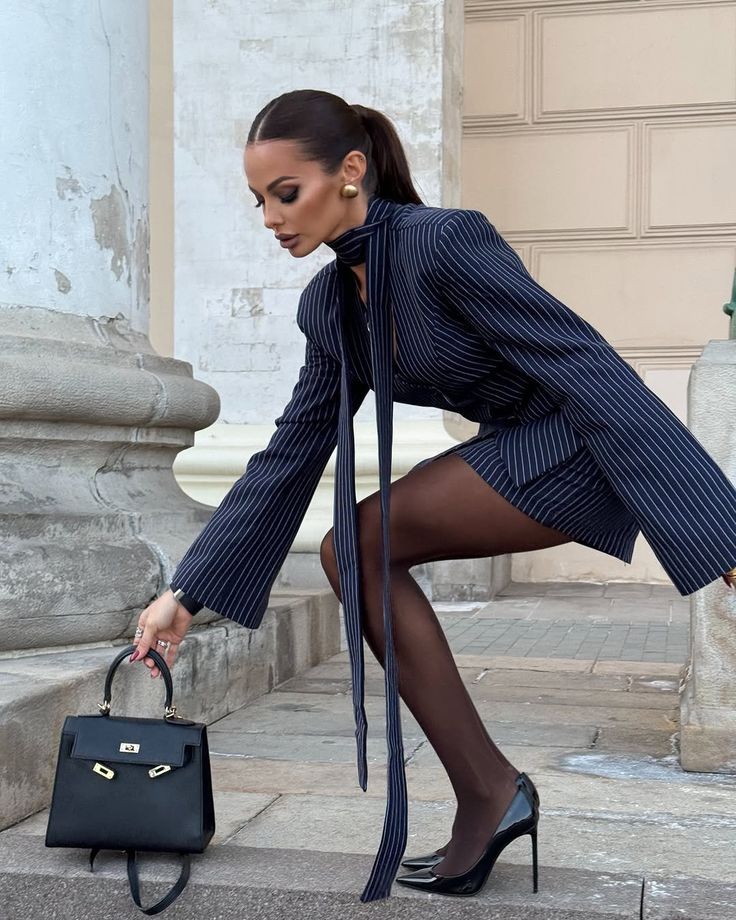
We often see similar arguments in workplace fashion debates. A woman posts that she was sent home for wearing a mini-skirt and asks, “Was I inappropriate?” The responses are often blunt: “That’s not appropriate for work.” So, where is the line between self-expression and situational appropriateness?
Then there’s the infamous line from Destiny’s Child: “Nasty, put some clothes on… you make it hard for women like me, who try to have some integrity.” It’s a lyric that still resurfaces in modesty debates today. But perhaps the deeper issue isn’t hemlines or gym leggings.
There is a fundamental difference between appropriateness and moral ranking. Being dressed for the office is not the same as being dressed for the gym. When we move from discussing context to assigning character, the conversation becomes less about clothing and more about control.
Ultimately, the conversation needs to shift away from the fabric we wear and toward the autonomy we claim. When we label a woman’s character based on the length of her skirt or the fit of her leggings, we aren’t advocating for respect, we are simply repackaging old standards of policing women’s bodies.
True integrity isn’t found in a “moral ranking” of outfits. It’s found in the freedom to choose how we show up in the world, whether that’s in a floor-length dress or form-fitting gym wear. Perhaps it’s time we stop looking at what’s in another woman’s gym bag and start questioning why we feel the need to weigh her worth by it. After all, if respect is the goal, shouldn’t it begin with respecting a woman’s right to define it for herself?