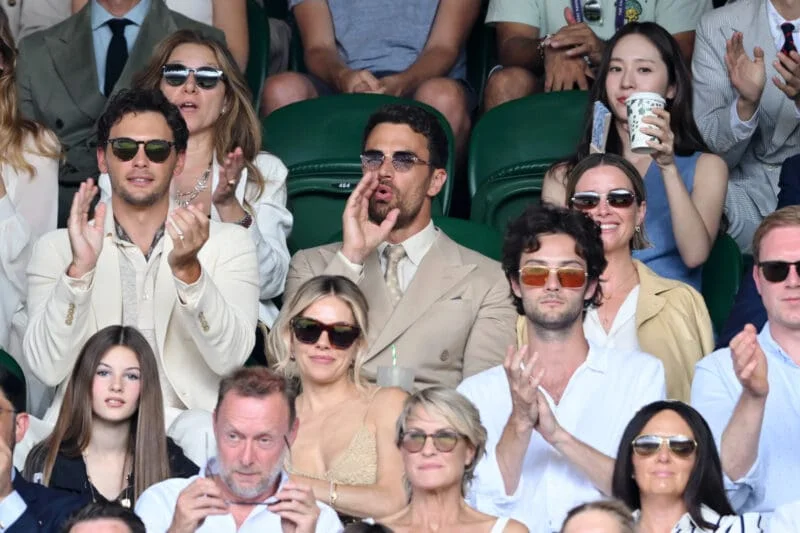
The sudden, hyper-fixated obsession with Formula 1 and Wimbledon currently dominating our feeds, our group chats, and, most noticeably, our wardrobes is more than a passing summer trend. A few years ago, the average Sunday did not involve decoding tyre strategies or analysing the pristine grass of Centre Court over a glass of Pimm’s. Today, these two sports have been elevated into the ultimate luxury lifestyle staples, begging a deeper sociological question: is this a genuine evolution in cultural interest, or is it a classic case of modern class performance?
Historically, Wimbledon and Formula 1 have always been playground sandboxes for the global elite, operating on entirely different definitions of prestige. Wimbledon represents old-money, country-club heritage, strictly governed by a pristine white dress code and royal patronage. It is a world of quiet exclusivity, where wealth is whispered rather than flaunted. Formula 1, by contrast, represents ultra-luxury, high-octane wealth, defined by jet-setting to Monaco, engineering that costs millions, and mega-yachts glistening in the Mediterranean sun. What we are witnessing now is not the sudden birth of these subcultures, but the democratization of access to them, driven entirely by modern media narratives. Netflix’s Drive to Survive successfully transformed engineers and drivers from distant athletes into reality television protagonists, while digital platforms turned the spectator stands at Wimbledon into the ultimate aspirational aesthetic. Because access to the look of these sports has opened up to the public, they have naturally become vehicles for class aspiration. In a world currently captivated by quiet luxury and the classic old money aesthetic, wearing a pleated tennis skirt or a vintage Ferrari racing jacket serves as a visual shortcut to signalling a certain lifestyle. It is less about a cynical attempt to fake wealth, and more about a generation wanting to participate in the romance, exclusivity, and discipline that these legacy sports represent.
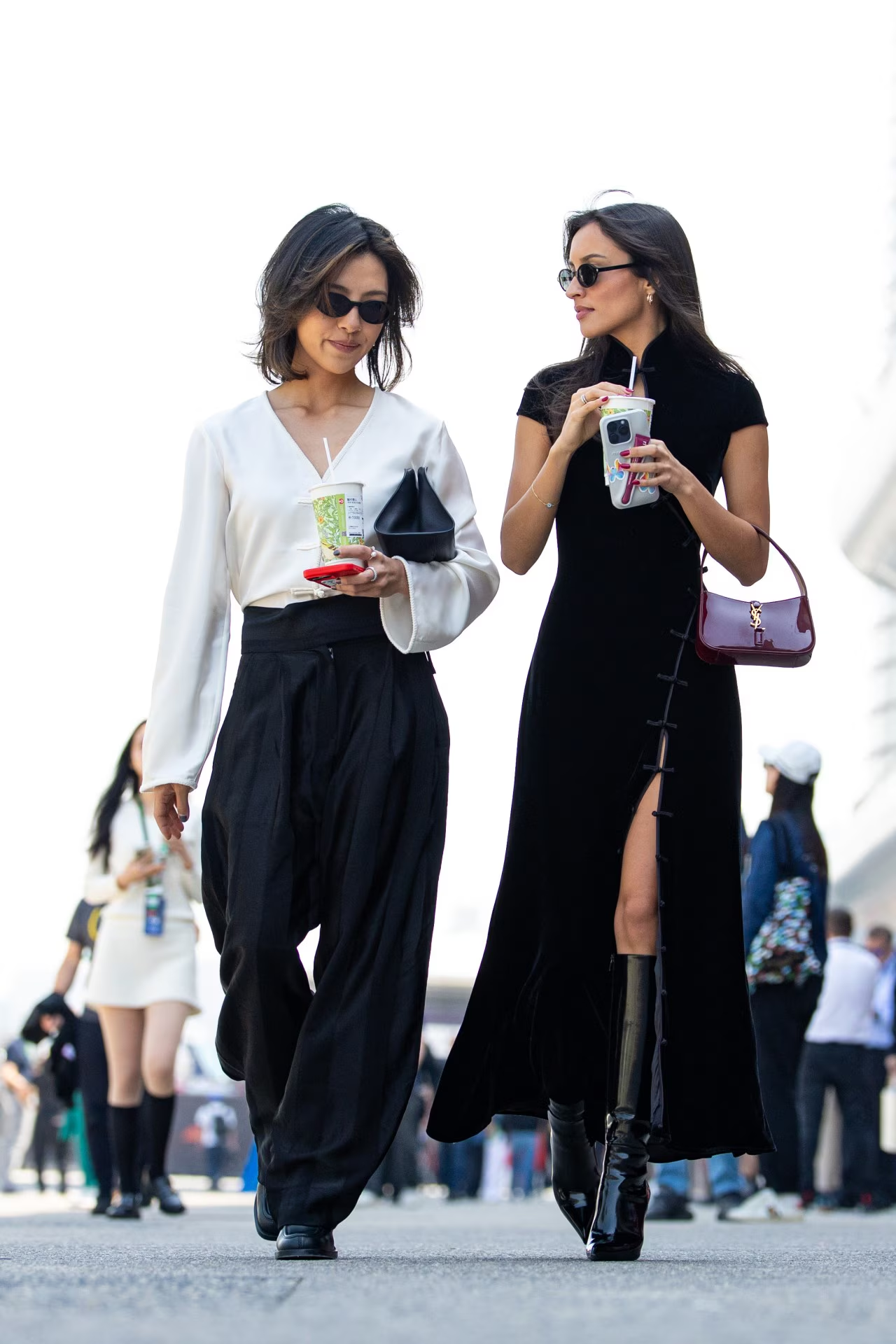
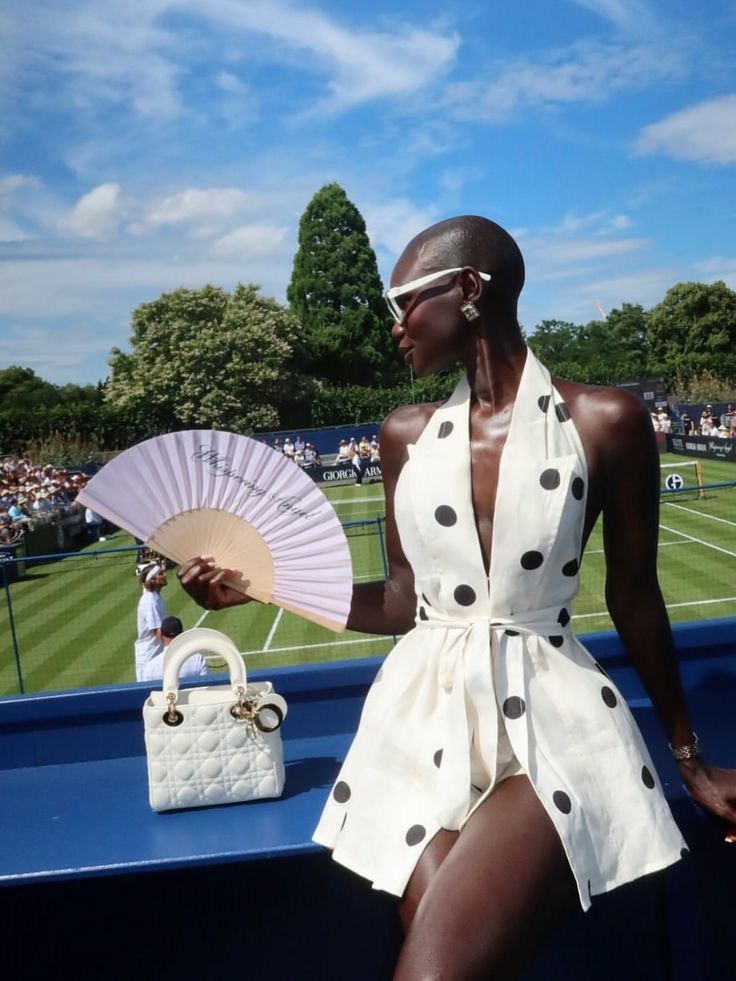
This cultural shift has completely redefined the fashion surrounding these sports, transforming performance gear into high-end editorial style that influences global trends. Wimbledon fashion remains anchored in its heritage, remaining clean, minimalist, and unapologetically sophisticated. It is a world of crisp linen suiting, cable-knit sweaters draped over shoulders, pleated skirts, and silk scarves, where legacy brands like Ralph Lauren and Lacoste offer modern women an effortless, polished uniform that moves seamlessly from a sporting event to an upscale lunch. Conversely, Formula 1 has completely flipped paddock fashion on its head, leaning into a sharp, edgy, and heavily gender-neutral look. It masterfully blends high-end tailoring with streetwear, popularising structured cargo trousers, oversized leather racing jackets, massive sunglasses, and sleek corsets paired with loose-fitting trousers. For luxury and contemporary fashion houses, this evolution is a goldmine, effectively turning the paddock and the grandstands into a replacement for the traditional fashion runway. Brands are no longer just slapping logos on cars or courtside banners; they are dressing the entire ecosystem. Luxury houses like TAG Heuer, Rolex, and Celine have aligned themselves deeply with these sports because they understand that when a brand secures a spot in the paddock or the royal box, they are not just selling a product, they are selling the ultimate lifestyle of speed, precision, and prestige, forcing traditional marketing to pivot toward narrative-driven lifestyle curation.
You cannot fully deconstruct the modern lore of these sports without discussing the women who have arguably become their most potent style icons, completely rebranding the historically dismissive term WAG. These wives and girlfriends are no longer passive spectators sitting in the shadows of their partners; they are highly influential cultural curators, entrepreneurial forces, and fashion chameleons in their own right. In Formula 1, figures like Kelly Piquet, Lily Muni He, and Alexandra Saint Mleux have turned the paddock walk into a highly anticipated, photographed fashion event, expertly mixing quiet luxury with high-street fashion to become the ultimate muses for contemporary brands. At Wimbledon, partners of top players deliver a masterclass in summer tailoring, sporting oversized blazers, structural dresses, and understated luxury timepieces. These women bridge the gap between the rigid, highly technical world of professional sports and the fluid world of digital fashion, providing a daily, relatable blueprint of how to navigate and live within these historically elite spaces. Ultimately, the contemporary obsession with F1 and Wimbledon is not just about the sport itself, but about the carefully curated world built around them. It is an intersection of athletic excellence, heritage, and high fashion that allows the modern, career-driven woman to romanticise her wardrobe and her lifestyle, cementing these sports as the ultimate playgrounds for style.