

For years, the narrative across Botswana’s startup ecosystem has been anchored by a singular complaint: there is simply no money. Yet, when Conversations with Gofaone convened its inaugural live recording at the Botswana Digital & Innovation Hub, the discussion moved past that assumption to reveal a complex structural reality. Hosted by Gofaone Modise, the event drew together public parastatals like the Local Enterprise Authority (LEA) and the Botswana Digital & Innovation Hub (BDIH) alongside private sector leaders to bypass easy excuses and dissect the cold realities of fragmented capital, missing commercialisation pathways, and the operational discipline required by local innovators.
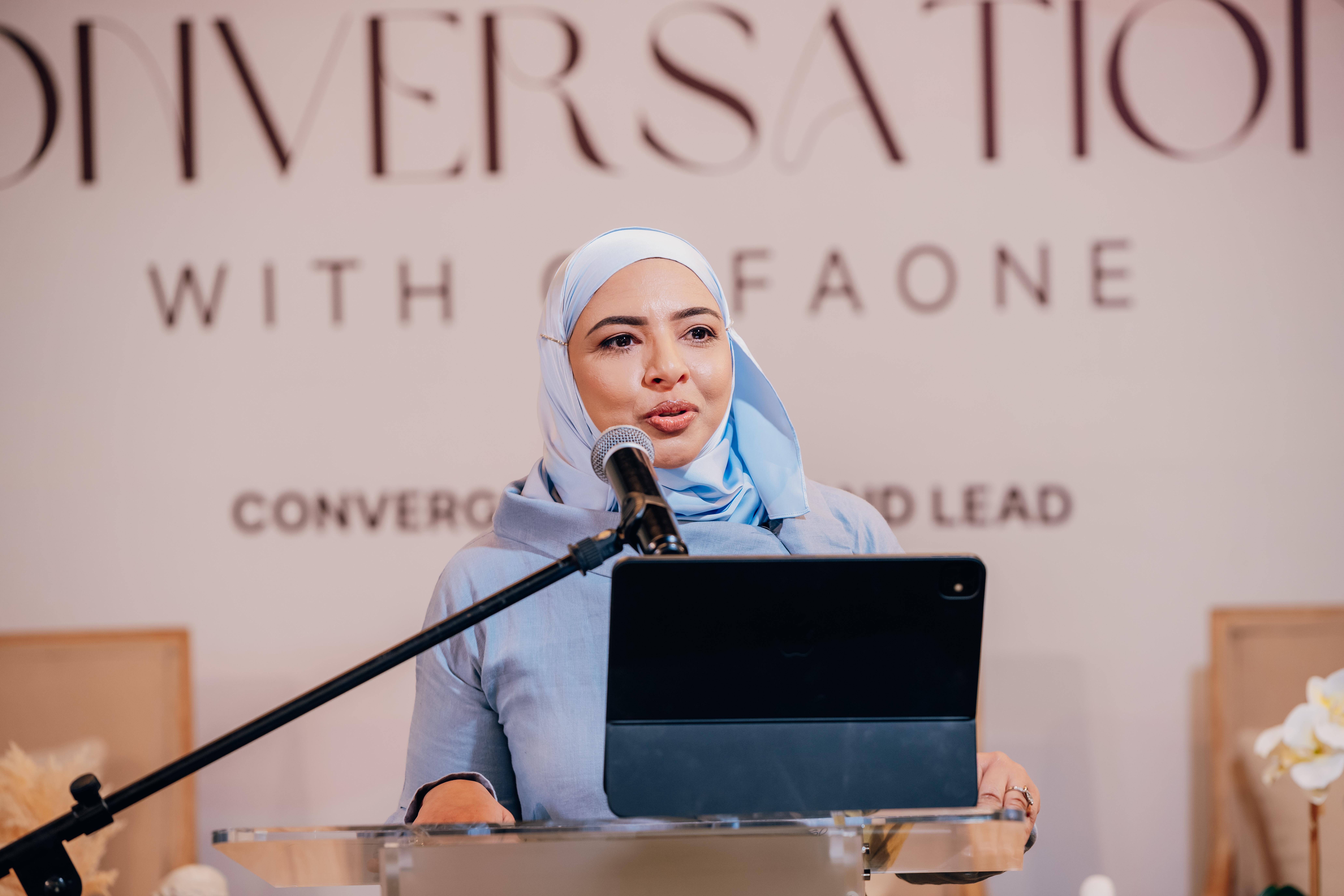
For a country historically anchored by its diamond wealth, Botswana stands at a critical macroeconomic crossroads where small enterprises are the primary engine of sovereign economic resilience. Opening the session, Naseem Banu Lahri, Managing Director of Lucara Botswana, positioned SMEs squarely at the centre of the nation’s economic horizon. She highlighted that entrepreneurs are the very infrastructure of growth, emphasising that the next phase of sovereign diversification requires stronger, more intentional participation by Batswana across high-value supply chains to insulate the economy from global market shocks.
This macro perspective was brought into sharp, practical focus by the keynote address from Molefi Letsiki, founder of Molefi Letsiki Diamonds. Reflecting on his journey as the first majority black-owned company to achieve De Beers Sightholder status, Letsiki noted that value is created through the rigorous process of transformation. Ideas, like rough diamonds, require immense refinement, pressure, and structural cutting to unlock their inherent worth, urging entrepreneurs to remain fiercely grounded in the unglamorous fundamentals of day-to-day transactions.
As the panel discussion unfolded, the conversation aggressively challenged the persistent myth that capital is entirely absent in Botswana, pointing instead to a systemic lack of investment readiness. Tefo Modise Setlhare, a prominent Botswana business executive and board leader, brought a beautifully candid perspective, arguing that capital cannot fix weak fundamentals. He clarified that a business does not scale simply because a founder possesses ambition; it scales when there is a repeatable, institutionalised model that can operate independently of the founder’s daily physical presence.
This call for operational discipline was strongly reinforced by Dynah Solani, Head of Knowledge and Information Management at LEA, who stripped away the romance of the start-up pitch. Solani highlighted that records build data, and data builds institutional confidence. For entrepreneurs seeking to attract funding, bookkeeping and financial discipline are not administrative extras but the baseline evidence professional investors require to make de-risked decisions. Without clean records, an enterprise remains essentially invisible to institutional capital.
However, the conversation refused to place the burden of economic transformation entirely on the shoulders of the entrepreneur, turning its focus toward the systemic failures of the capital structures themselves. Mr. Kabo Phetlhu, the CEO of the BDIH, noted that Botswana is not short of brilliant ideas, but rather the commercialisation mechanisms to convert those ideas into market-ready products. Phetlhu highlighted an urgent national need for patient capital and first-loss guarantees, noting that traditional debt instruments like commercial bank loans are fundamentally incapable of carrying innovation-driven businesses through high-risk phases.
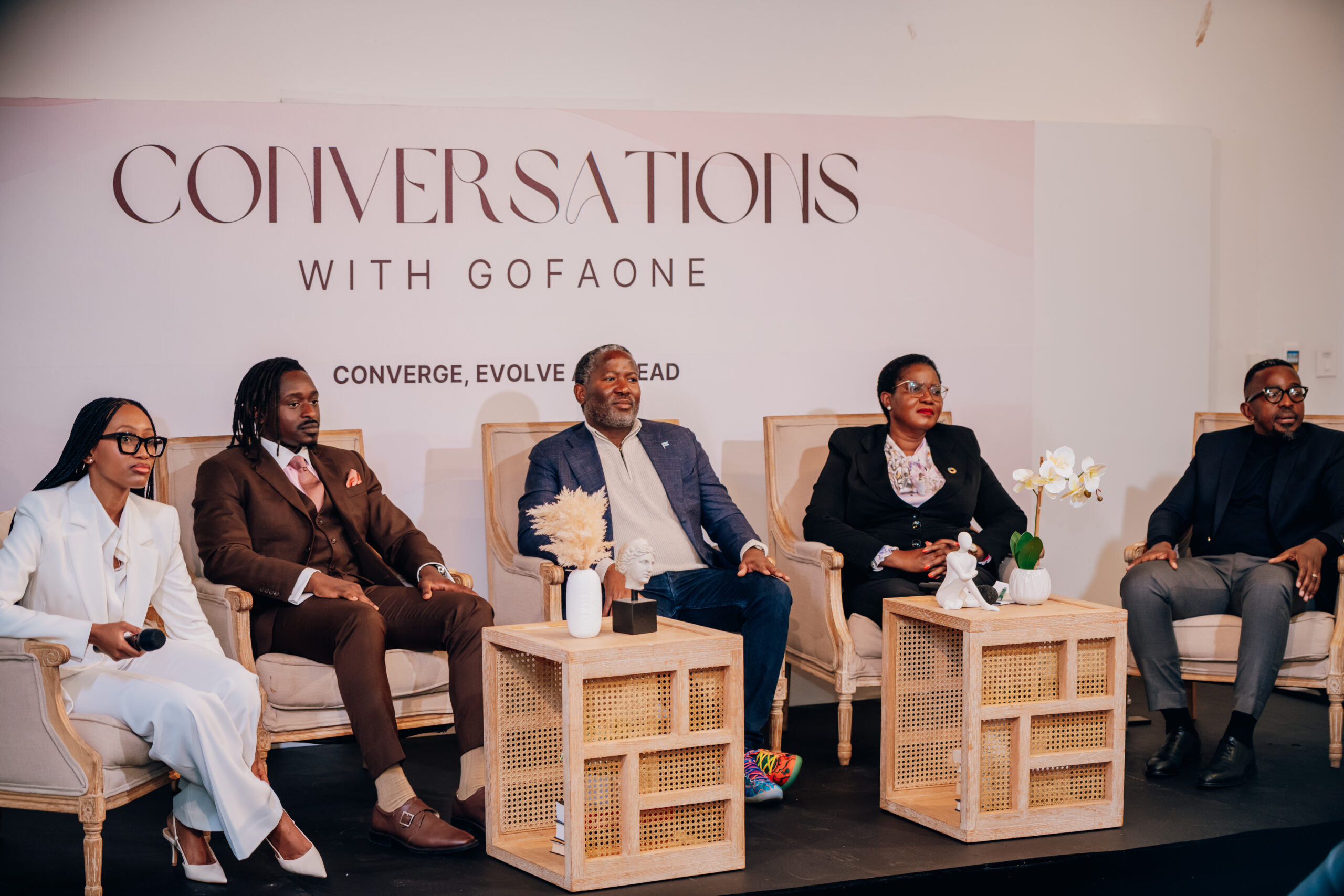
This perspective was elevated to a pan-African scale by Marc Watum, Chairman of the Vision 2030 Fund, who reflected that while African entrepreneurs are rich in raw ambition, risk-tolerant capital remains severely limited across the continent. Because institutional risk mitigation is so conservative, Watum argued that a flawless business plan and an undeniable path to profitability are basic survival tools in a capital-scarce environment.
The true depth of the event was realised when audience dialogue from early-stage founders and rural ecosystem builders raised critical concerns regarding intense bureaucratic red tape, prohibitive collateral requirements, and overly complex funding processes. These contributions made it abundantly clear that investment readiness cannot be treated as a one-way street. Financial institutions, corporate buyers, and national policymakers are equally required to rethink how they assess risk, recognising that compliance is impossible if the cost of compliance is prohibitively expensive for a micro-enterprise.
The dialogue revealed that Botswana’s funding challenge is a layered, interconnected problem requiring compliance support, credible bookkeeping, and policies that remove operational friction. This exact complexity shows why structured, high-level dialogue is so crucial for the region right now. Without a dedicated space to challenge long-held assumptions, the business community risks staying stagnant, trapped in circular debates about a lack of money rather than focusing on how to deploy it strategically.

The successful execution of Conversations with Gofaone’s first live recording, backed by forward-thinking sponsors, points to the platform’s growing role as a vital ecosystem convener. By transitioning from a digital broadcast into a physical, multi-sector arena, the platform has proven to be far more than a media asset; it functions as a necessary intellectual bridge. It provides the rare, neutral ground required for state agencies, corporate leaders, and emerging innovators to align their goals, strip away superficial platitudes, and map out realistic pathways for development.
As Botswana looks toward the future, the defining question facing the nation’s next economic epoch is no longer simply whether money exists, but whether entrepreneurs, institutions, and capital structures are ready to turn raw opportunity into lasting national transformation. By driving this essential narrative, Conversations with Gofaone establishes itself as a foundational catalyst for the collective mindset shift required to power the country’s next chapter of economic resilience.
The complete, unedited masterclass on SME funding, featuring full panel insights and audience dialogues, will be available on Thursday 09 July 2026 on Conversations with Gofaone