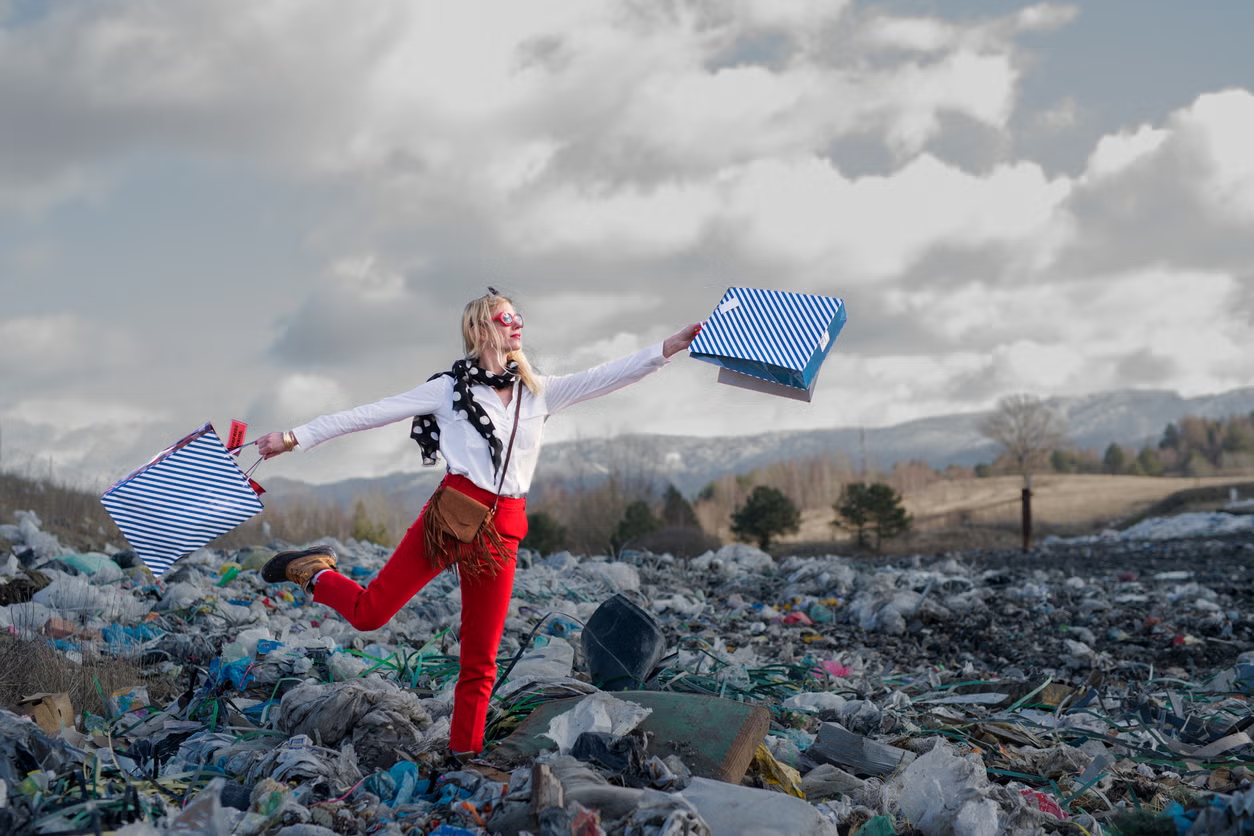
Sustainability in fashion has become one of the most urgent conversations of our time, not just within the industry but in the broader context of climate change, environmental degradation, and consumer culture. At its heart, sustainability in fashion is about redesigning the way clothing is produced, consumed, and discarded, ensuring that the process respects both the planet and the people behind every garment. It means rethinking the system so that clothes are made with fewer resources, using renewable energy, safe materials, and fair labour practices. It also means shifting away from a throwaway culture that values novelty over longevity.
The scale of the problem is staggering. The fashion industry is estimated to contribute between 2–8% of global greenhouse gas emissions, according to reports from the United Nations Environment Programme. Textile production is responsible for a fifth of the world’s clean water pollution due to toxic dyeing processes, while synthetic fibres like polyester and nylon which now dominate the market are significant sources of microplastic pollution in rivers and oceans. The Ellen MacArthur Foundation has also highlighted that less than 1% of clothing is recycled back into new garments, meaning the vast majority of textiles either end up in landfills or are incinerated. Recent reports have shown that global textile waste in 2024 reached over 120 million metric tons, with around 80% destined for landfills or incineration.
Despite these numbers, consumer appetite for cheap, disposable clothing continues to fuel demand. Between 2000 and 2015, global clothing production doubled, while the average number of times an item was worn dropped by more than a third. Analysts estimate that as many as 80–150 billion garments are produced each year, with up to 40% going unsold. This culture of overproduction and overconsumption lies at the heart of the crisis. It is easy to forget that every impulse buy, every shirt worn twice and discarded has a carbon and water footprint, often in countries thousands of kilometres away, where workers and ecosystems carry the cost.
Fast fashion, and more recently ultra-fast fashion, has amplified these impacts on an unprecedented scale. Giants such as Zara, H&M, and Shein dominate global markets by producing enormous volumes of clothing at record speed. Investigations into Shein, for example, have shown how the company releases thousands of new styles daily while generating millions of tonnes of transport emissions annually. France has already taken legislative steps against this model, moving to introduce penalties per garment by 2030 for ultra-fast fashion brands, alongside restrictions on advertising. These measures reflect a growing recognition that without regulation, the cycle of mass production and waste will only accelerate.
The importance of this conversation cannot be overstated. We can continue buying clothes endlessly, but the reality is that fashion’s current trajectory is undermining the very resources we need to survive. When ecosystems collapse and the climate crisis deepens, our wardrobes will not save us. Fashion, like any industry, depends on a healthy planet, and without it, our consumption habits mean nothing.
So, what does change look like? Part of the solution must come from governments. Extended Producer Responsibility (EPR) schemes, such as those being introduced in the European Union, will force brands to take financial responsibility for clothing waste. At the same time, stricter advertising laws and anti-greenwashing regulations can help curb misleading marketing that encourages overconsumption. Public investment in recycling infrastructure, innovation in fibre-to-fibre recycling, and support for local repair and reuse industries are also critical.
Brands, too, must be held accountable. True sustainability requires science-based targets that cut emissions across supply chains, not just in marketing campaigns. Companies need to invest in renewable energy for factories, phase out coal-powered dyeing facilities, ensure fair wages for workers, and publish data on production volumes. Designing clothes for durability, repairability, and recyclability must become the norm, not the exception. Without addressing overproduction, however, all these measures risk being little more than window dressing.
Consumers, meanwhile, are not powerless. Small decisions add up. Choosing to buy less, re-wear clothes more often, and invest in quality pieces that last are powerful steps. Opting for second-hand shopping, renting for special occasions, and repairing garments instead of discarding them can extend the life of clothing dramatically. Simple changes in how we care for clothes, washing them less frequently, at cooler temperatures, and using filters to catch microfibres can also reduce environmental impact. Supporting brands that are transparent about their practices and holding them accountable by asking tough questions are ways consumers can push the industry toward meaningful change.
Ultimately, sustainability in fashion is about shifting values. Clothes will always be a source of creativity, identity, and joy, but they must not come at the cost of clean water, safe climates, and thriving ecosystems. The most sustainable garment will always be the one already in your wardrobe, and the most powerful statement we can make is not through excess, but through conscious choices that honour both people and the planet. If fashion is to have a future, it must shed its wasteful skin and embrace a system built on longevity, fairness, and respect for the earth that sustains us.