There’s a new kind of war unfolding — and it’s not just about politics or power, but prestige. In recent weeks, a tariff war between the United States and China has rattled global markets, but what’s really set the internet ablaze is how this conflict has allegedly exposed some uncomfortable truths about the luxury fashion industry.
As tensions escalated, the U.S. announced a fresh wave of tariffs on Chinese-made goods, putting further strain on trade relations. In response, Chinese factories and suppliers took to TikTok, posting videos that claim to show luxury accessories being manufactured, packaged, and readied for shipment — allegedly for some of the world’s most prestigious fashion houses.
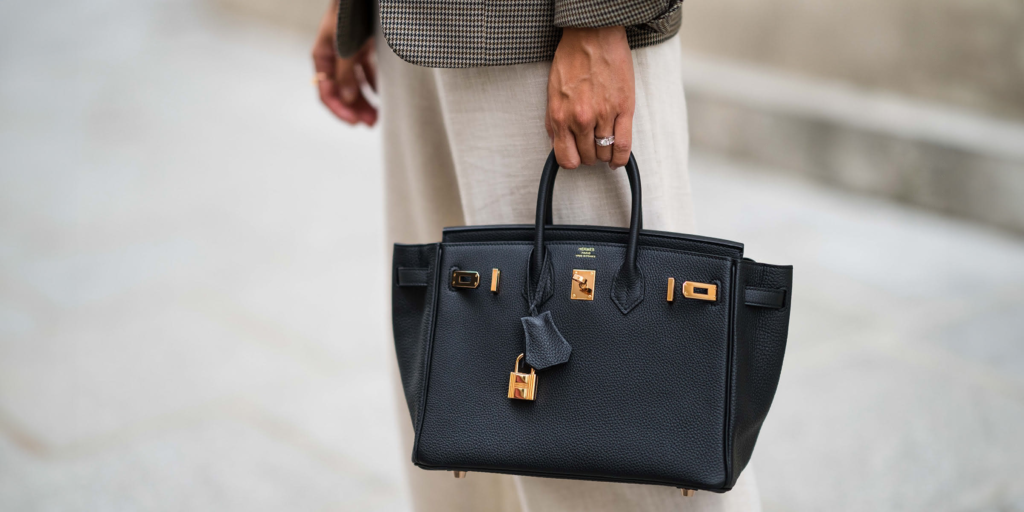
Among the names dropped? Hermès — a brand synonymous with French craftsmanship, heritage, and exclusivity.
While these claims remain unconfirmed by the brands involved and are being hotly debated online, the controversy has sparked a much larger conversation around what luxury really means, what we’re truly paying for when we hand over thousands for a designer bag, and whether these so-called ‘investments’ are worth it if the product isn’t made in the romanticised European ateliers we’ve long been sold on.
A Trade War Turned Luxury Reckoning
The U.S.-China trade war isn’t new, but the latest escalation has hit particularly close to home for fashion lovers. As import duties on Chinese goods surged, certain Chinese factories — many allegedly part of the supply chain for major luxury labels — took to TikTok to reveal behind-the-scenes glimpses of luxury goods manufacturing.
While it’s long been whispered within fashion circles that many luxury brands outsource parts of their production process to countries like China, Vietnam, and India, these viral videos claim to show proof of it happening on a larger scale than many consumers realised.
It’s important to note these claims remain unverified, and Hermès, along with other brands named in these videos, has not officially confirmed any connection to the factories shown.
Still, the viral content and public speculation have thrust the issue into mainstream conversation — and for an industry built on the mythology of exclusivity and handcrafted tradition, it’s a moment of reckoning.
Craftsmanship or Branding: What Are We Really Paying For?
Luxury fashion has always been a carefully curated illusion. Brands like Hermès, Louis Vuitton, and Chanel have sold not just products, but stories — of heritage, artisanship, and painstaking craftsmanship.
But with mounting allegations and social media scrutiny, consumers are now asking uncomfortable questions:
When you buy a luxury handbag, are you truly paying for artisanal skill, or for the aura of a brand name?
The reality is that while final assembly or finishing touches might happen in the fabled workshops of France or Italy, many components — from zippers to linings to certain bag panels — have long been sourced from, or produced in, factories across Asia. The recent claims merely pulled back a curtain the industry has kept carefully drawn for decades.
Is a Designer Bag Really an Investment?

In recent years, luxury bags have been increasingly marketed as investment pieces, their rising resale values compared to fine art and precious metals. Certain models — notably the Hermès Birkin or Chanel Classic Flap — have become financial assets in their own right, trading on the secondhand market for well above retail prices.
But here’s the truth: while a few ultra-rare or limited edition pieces may appreciate, most luxury bags depreciate the minute they leave the boutique. The idea of handbags as financial investments is largely a marketing masterstroke — one that’s offered shoppers a convenient justification for indulgent purchases.
And now, with the legitimacy of certain brand narratives under scrutiny, the question looms larger than ever:
If your so-called ‘investment’ bag isn’t entirely made in France or Italy, is it still worth the price?
Why Do We Buy Luxury?
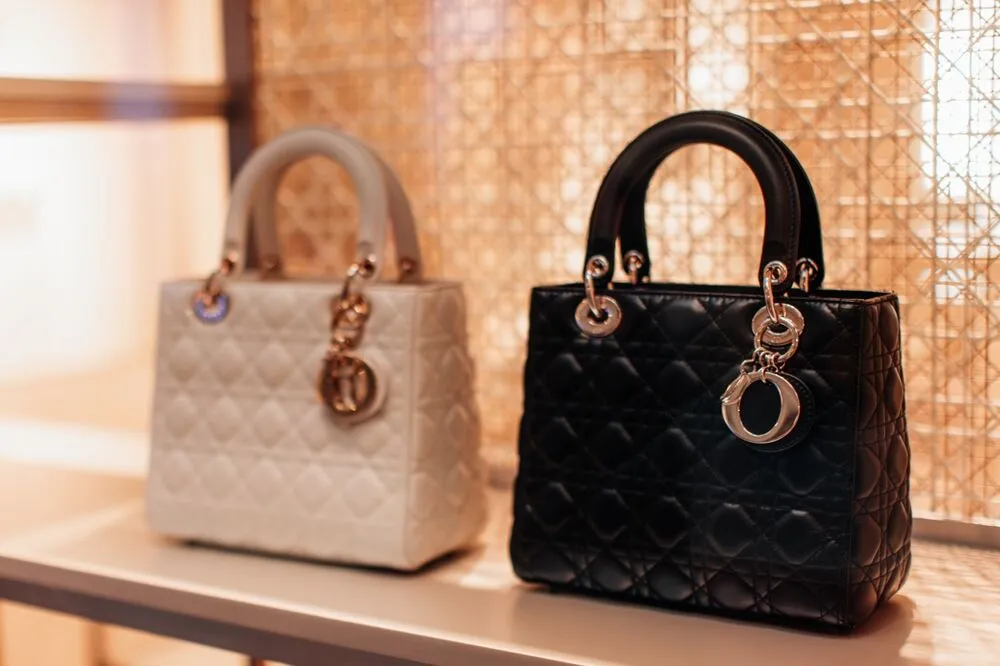
Even in the face of controversy, the demand for luxury goods remains as feverish as ever. At its core, luxury purchasing is about status, identity, and storytelling. These bags aren’t just accessories — they’re cultural symbols, markers of success, and conversation starters.
In a hyper-curated digital world dominated by influencer marketing and social media, luxury goods offer a sense of belonging, exclusivity, and control over how we’re perceived.
But with these alleged factory revelations surfacing, consumers are being challenged to reassess those motives. Are we buying bags for their craftsmanship and history, or for the prestige and perceived financial value they offer?
Would you still pay R100 000 for a handbag if you knew it was allegedly made in a Chinese factory and not a romantic French atelier — even if it looked exactly the same?
Let’s open that debate.