Kylie Jenner’s story is one of the most fascinating case studies in modern celebrity entrepreneurship, a tale that intertwines reality television fame, cultural influence, and sharp business instincts. From her earliest days on Keeping Up with the Kardashians to her reign as a beauty mogul, Kylie has proven herself more than just a famous last name, she has emerged as a powerhouse who understood the mechanics of personal branding long before it became a buzzword. Her rise is as much about timing and cultural shifts as it is about her own strategic decisions, making her trajectory worth studying as a blueprint for 21st-century influence and commerce.
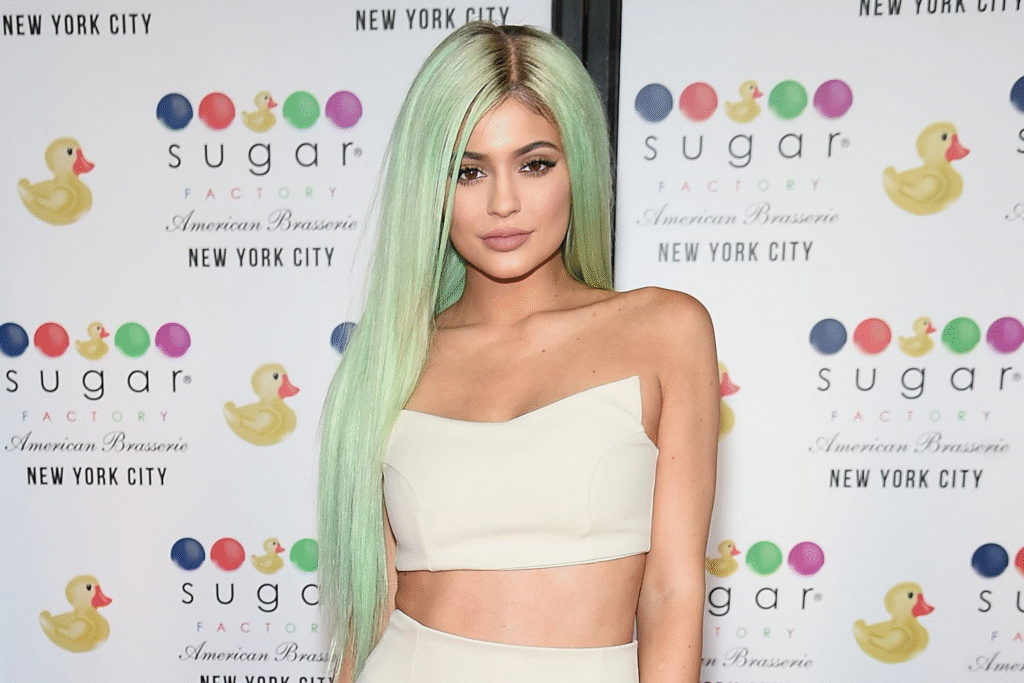
As the youngest member of the Kardashian-Jenner family, Kylie grew up in the glare of cameras. The world watched her transform from a shy child into a trend-conscious teenager who would soon command a global audience. Observing the entrepreneurial moves of her older sisters, she absorbed lessons on visibility, branding, and media leverage. But Kylie’s genius lay in how she recalibrated these lessons for her generation, carving out a space that spoke directly to Gen Z and young millennials. By the mid-2010s, the so-called “King Kylie” era had arrived. This was more than a personal style phase, it was a cultural phenomenon. With neon wigs, bold makeup looks, and a curated Instagram presence, Kylie became a trendsetter whose aesthetic choices reverberated through youth culture. It was during this time that her most daring and defining move emerged, the creation of Kylie Cosmetics.
Launched in 2015 with the now iconic Kylie Lip Kits, the brand was a masterclass in digital first entrepreneurship. Rather than relying on traditional advertising or retail rollouts, Kylie used Instagram and Snapchat to generate buzz, tease products, and drive demand. Her model was simple but revolutionary, create scarcity through limited drops, amplify hype through personal promotion, and cultivate a sense of intimacy with fans who felt like insiders to her world. The Lip Kits sold out within minutes, transforming makeup into a cultural event rather than just a consumer product. This was not just about lipstick, it was about buying into the Kylie persona. The strategy redefined how products could be marketed and sold in the age of social media, and it positioned Kylie at the helm of a new kind of celebrity commerce.
Her instincts for timing and relevance proved sharp. By aligning her brand with the rise of direct-to-consumer models and leveraging the intimate immediacy of social media, she tapped into a generational shift in how people consumed both content and products. Kylie Cosmetics expanded rapidly, branching into eyeshadows, blushes, and more, with each launch accompanied by the same formula of anticipation and exclusivity. But perhaps her most pivotal move came in 2019, when she sold a majority stake in Kylie Cosmetics to Coty for $600 million. The deal was a watershed moment, not only did it legitimise her brand on a global stage, but it also signaled that Kylie was operating at a level beyond a typical celebrity endorsement venture. She was negotiating billion-dollar deals, proving her acumen as a serious businesswoman capable of leveraging influence into institutional power.
Her media ventures, too, reinforced her business identity. Beyond the juggernaut of Keeping Up with the Kardashians, she starred in Life of Kylie, a spinoff series that offered fans a more personal glimpse into her life. While the show had a short run, it served a critical purpose, reinforcing the narrative of Kylie as not only a relatable young woman but also an entrepreneur navigating the pressures of building an empire. This duality, ordinary yet aspirational, vulnerable yet commanding has always been central to her brand’s strength.
Yet, Kylie’s journey has not been without challenges. The same Forbes cover that crowned her the youngest self-made billionaire in 2019 also sparked one of the biggest controversies of her career. Critics argued that the label “self-made” was misleading, given her family’s wealth and influence, and later reports suggested that Kylie Cosmetics’ revenues had been inflated, calling into question the company’s valuation. This backlash raised difficult questions about her credibility and the extent of her entrepreneurial independence. At the same time, the beauty market became increasingly competitive, with celebrity brands such as Rihanna’s Fenty Beauty and Selena Gomez’s Rare Beauty emerging as powerful players. Kylie Cosmetics, once the sole disruptor, suddenly had to fight harder to maintain its dominance in an industry crowded with new voices, each bringing inclusivity and innovation as selling points.
These challenges have highlighted the fragility of building a brand so closely tied to personal identity. The “King Kylie” persona that once captivated audiences now has to evolve as both Kylie and her consumers mature. Balancing the bold, youthful energy of her brand with the responsibilities of motherhood and the expectations of a seasoned businesswoman requires constant recalibration. The risk is clear, if Kylie fails to evolve her image, her brand could stagnate. Yet, her resilience and adaptability suggest otherwise. Time and again, she has turned criticism into momentum, controversy into conversation, and competition into an opportunity to innovate.
In many ways, Kylie Jenner’s empire is not just a business story but a cultural one. She represents the intersection of celebrity, commerce, and digital influence, where visibility itself becomes the most valuable currency. Her success demonstrates how fame can be leveraged into lasting value when paired with strategic vision, timing, and fearlessness. At the same time, her challenges highlight the complexities of sustaining such an empire, where the very persona that drives growth can also invite scrutiny and vulnerability.
Ultimately, Kylie Jenner is not simply a beauty mogul but a blueprint for modern entrepreneurship. Her story illustrates how a personal brand, when harnessed effectively, can transcend traditional barriers and disrupt entire industries. From the lip kits that defined an era to billion-dollar negotiations and fierce industry rivalries, Kylie’s journey is both a triumph and a testament to the evolving nature of business in the digital age. She is a case study in influence as capital, resilience as strategy, and reinvention as survival, proof that the most powerful brands today are not built in boardrooms but in the fluid, ever-shifting space where personality meets commerce.